
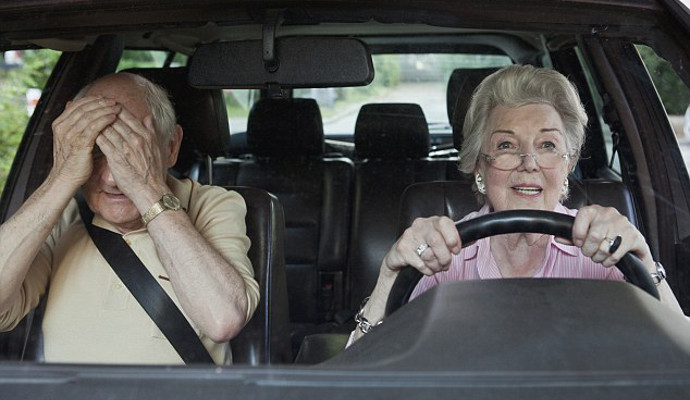
It's natural to want to stay active and independent as we age, and for many, driving is a key part of that. But as time goes on, changes in vision, reflexes, or health can make driving more challenging. Knowing when and how to address these changes is essential for maintaining both your safety and the safety of others on the road.
This article explores the vital role families play in monitoring driving safety for senior loved ones, offering guidance and support every step of the way. By working together with open communication and a focus on solutions, families can help seniors continue driving safely for as long as possible, or explore alternative transportation options when the time is right. One helpful starting point is to keep an updated list of your medications with you, as many medications can cause drowsiness and impact driving ability.
Opening the Conversation About Driving Concerns
Talking about driving can be sensitive, but it’s a crucial conversation to have. Approaching the subject with empathy and respect is key. Avoid accusatory language and instead, express your concerns based on specific observations. For example, instead of saying, "You're not a safe driver anymore," you might say, "I've noticed you've had a few near misses lately, and I'm worried about your safety."
Focus on how changes are affecting driving skills, such as difficulty seeing street signs, slower reaction times, or confusion at intersections. Preparing examples helps make the conversation less confrontational and more productive. It’s also important to involve other family members or trusted friends in the conversation to provide additional support and perspectives.
How can you start the driving conversation with a senior?
Start by choosing a calm and relaxed time for the conversation, away from distractions. Express your love and concern for their well-being. Frame the discussion around maintaining their safety and independence, rather than taking something away from them. Listen to their perspective and acknowledge their feelings. If they feel heard and understood, they're more likely to be receptive to your concerns. Remember, the goal is a collaborative problem-solving approach, not a lecture.
Identifying Warning Signs
Recognizing the signs that a senior's driving skills may be declining is essential. These signs can be subtle at first, but paying attention can prevent accidents and injuries.
Some common warning signs include: Increased near misses or fender benders: Even minor incidents can indicate a decline in driving abilities. Difficulty staying in the lane or drifting: This can be a sign of decreased reaction time or impaired judgment. Getting lost, especially in familiar areas: This could indicate cognitive decline. Slower reaction times: This can be observed while driving or in everyday activities. Difficulty judging distances: This can make merging, turning, or parking challenging. Confusion at intersections or traffic signals: This may indicate cognitive impairment or difficulty processing information quickly. Anxiety or hesitation while driving: This can be a sign of reduced confidence and awareness of driving challenges. Complaints from passengers about their driving: Listen to the concerns of others who ride with the senior. Increased tickets or warnings from law enforcement:This is a clear indication of driving issues.
It's important to remember that these signs don't automatically mean a senior needs to stop driving completely. However, they should prompt further evaluation and discussion.
Considering a Driving Evaluation for Seniors
A driving evaluation is a comprehensive assessment of a senior's driving skills and abilities. It can provide valuable insights into their strengths and weaknesses and help determine whether they can continue driving safely. These evaluations are typically conducted by certified driving rehabilitation specialists who have expertise in assessing senior drivers.
The evaluation usually includes: Vision and cognitive screening: To assess visual acuity, depth perception, and cognitive functions like memory and attention. Physical assessment: To evaluate strength, flexibility, and range of motion. On-road driving assessment:To observe the senior's driving skills in real-world situations.
Based on the results of the evaluation, the specialist can recommend strategies to improve driving safety, such as vision correction, physical therapy, or cognitive training. They may also recommend restricting driving to certain times of day or specific areas, or, if necessary, suggest that the senior stop driving altogether. The driving evaluation provides objective information to help families and seniors make informed decisions. Look for programs certified by organizations like the Association for Driver Rehabilitation Specialists (ADEDs).
When should a senior consider a driving evaluation?
A senior should consider a driving evaluation if they have experienced any of the warning signs mentioned above, or if they have been diagnosed with a medical condition that could affect their driving skills. Their physician can also recommend an evaluation if they have concerns about the patient’s driving safety. It’s better to be proactive and have an evaluation before an accident occurs.
Senior-Friendly Car Features and Adaptations
Sometimes, small changes to a vehicle or driving habits can make a big difference in safety and comfort for older drivers. Modern cars often include features that can improve the driving experience for seniors.
Some helpful features include: Adaptive cruise control: Maintains a safe distance from the car ahead, reducing the need for constant acceleration and braking. Lane departure warning and lane keeping assist: Alerts the driver if they drift out of their lane and can even gently steer the car back into the lane. Blind spot monitoring: Alerts the driver to vehicles in their blind spots. Rearview cameras: Provide a clear view of what's behind the car when backing up, reducing the risk of accidents. Automatic emergency braking: Can automatically apply the brakes if it detects an imminent collision. Larger displays and controls: Easier to see and operate. Adjustable seats and steering wheels:Allow drivers to find a comfortable and supportive driving position.
In addition to car features, some adaptive equipment can be installed to make driving easier. These include: Hand controls: Allow drivers to operate the accelerator and brake with their hands. Seat cushions: Improve comfort and visibility. Pedal extensions: Allow shorter drivers to reach the pedals comfortably. Wider rearview mirrors: Can improve peripheral vision.
Consulting with a driving rehabilitation specialist can help determine which car features or adaptations are best suited to an individual's needs.
Exploring Transportation Alternatives for Seniors
If driving is no longer a safe option, exploring alternative transportation options is essential for maintaining independence and quality of life. There are many options available, depending on location and needs.
Some common alternatives include: Public transportation: Buses, trains, and subways can be a convenient and affordable way to get around. Ride-sharing services: Services like Uber and Lyft can provide on-demand transportation. Senior transportation services: Many communities offer transportation services specifically for seniors, often with door-to-door service. Volunteer driver programs: Some organizations offer volunteer driver programs that provide rides to seniors for medical appointments, errands, and social activities. Family and friends: Enlisting the help of family and friends for transportation can be a reliable option. Taxi services: Traditional taxi services are still available in many areas. Delivery services:Groceries, prescriptions, and other essentials can be delivered to the home, reducing the need for transportation.
It’s important to research the transportation options available in your community and to help seniors learn how to use them. Familiarizing seniors with these alternatives can ease the transition from driving and help them maintain their independence.
How can families help seniors adapt to life without driving?
Offer emotional support and understanding. Acknowledge the loss of independence and freedom that comes with giving up driving. Help them explore alternative transportation options and practice using them. Arrange for regular social activities and outings to prevent isolation. Involve them in planning their transportation needs and encourage them to maintain their social connections. Most importantly, let them know you are there to support them through this transition.
Maintaining Independence Without Driving
Losing the ability to drive can be a significant adjustment, but it doesn't have to mean losing independence. There are many ways seniors can maintain their independence and quality of life without driving.
Here are some strategies: Stay active and engaged: Participate in hobbies, social activities, and volunteer work. Maintain social connections: Stay in touch with family and friends through phone calls, video chats, and visits. Use technology: Learn how to use technology to stay connected, manage finances, and access online services. Take advantage of community resources: Many communities offer programs and services for seniors, such as transportation, meal delivery, and social activities. Focus on health and wellness: Maintain a healthy lifestyle through exercise, healthy eating, and regular medical checkups. Plan ahead: Make arrangements for transportation and assistance with errands and appointments.
By focusing on these strategies, seniors can maintain their independence and continue to live fulfilling lives without driving.
Legal and Financial Considerations
When a senior stops driving, there are also legal and financial considerations to keep in mind. These may include: Reporting to the DMV: In some states, it may be necessary to report a medical condition that affects driving ability to the Department of Motor Vehicles (DMV). Insurance: Canceling or modifying auto insurance policies. Vehicle registration: Transferring or selling the vehicle. Financial planning: Adjusting financial plans to account for transportation costs and other expenses. Estate planning:Updating estate plans to reflect changes in circumstances.
Consulting with an attorney or financial advisor can help seniors navigate these legal and financial considerations.
Building a Supportive Family Network
Navigating senior driving safety is rarely a solo effort. A strong and supportive family network can make all the difference. This involves open communication, shared responsibility, and a willingness to work together to find solutions that meet the needs of everyone involved.
Regular family meetings can provide a forum for discussing concerns, sharing information, and making decisions together. Assigning specific roles and responsibilities can help ensure that everyone is contributing to the effort. It's also important to be patient, understanding, and respectful of the senior's feelings and perspective. Remember, the goal is to support their well-being and independence while ensuring their safety and the safety of others. Consider involving a professional mediator or geriatric care manager to help facilitate difficult conversations.
How can older adults drive more safely at night?
Driving at night can be particularly challenging for older adults due to reduced vision and increased glare sensitivity. To drive more safely at night, seniors should ensure their eyeglasses are up-to-date and clean. They should also avoid looking directly at oncoming headlights to reduce glare. Adjusting the rearview mirror to the night setting can also help. Driving slower than usual and increasing the following distance provides more time to react to unexpected situations. If possible, plan routes that are well-lit and familiar. Finally, if night driving becomes too difficult, consider restricting driving to daylight hours.
The road to navigating senior driving safety is a journey best traveled with open hearts and clear communication. By focusing on practical solutions, offering unwavering support, and respecting the independence of our loved ones, we can ensure their safety and well-being while honoring their desire to live life to the fullest. Your presence and support truly make a difference.
Posting Komentar untuk "The Role of Families in Monitoring Senior Driving Safety"